
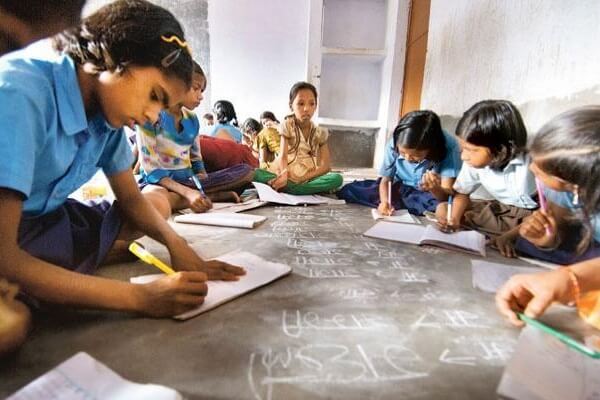
A Pink Room is not much to look at: a quiet corner of a school, a door that closes, a few posters and a box of pads. What makes it powerful is what it permits — a conversation that most of these girls have never been allowed to have out loud.
For generations, menstruation has been managed in whispers and missed school days. The cost of that silence is measured in absences, in girls who quietly fall behind, and sometimes in girls who stop coming altogether. The room exists to end the whispering.
Break the silence in one room, and the knowledge rarely stays there — it walks home with every girl.
Inside, the talk is practical and unashamed — how the body works, how to stay clean and safe, why none of it is anything to hide. Free pads remove the immediate barrier, but the real gift is language: ordinary words for an ordinary thing.
Key takeaways
- A safe, private space normalises menstrual health
- Knowledge shared in one room travels home
- Dignity is the real outcome, not just supplies
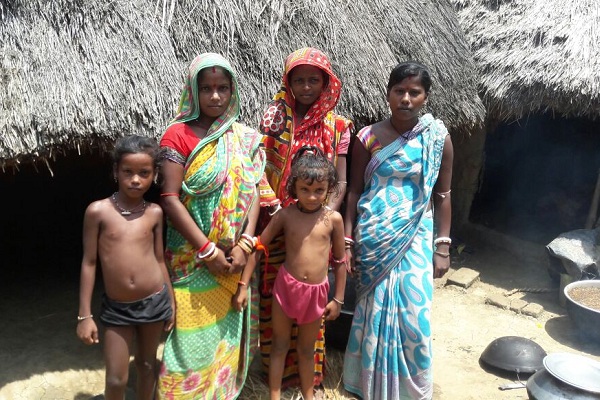
And knowledge, once it is spoken, travels. A girl who learns here explains it to a younger sister, a mother, a neighbour. One closed door, oddly, is how the subject finally gets opened.